Transparency
All AI-generated content is clearly disclosed. Users always know they are interacting with an AI system, not a person.
A research-driven team building ethical, human-centered AI — from personal memory reflection to real-time interactive venue guides.
Umbrella Research builds AI that serves people — not the other way around. We are a small team that prioritizes responsible design over rapid commercialization.
Our work sits at the intersection of neural rendering, real-time voice AI, and ethics. We combine Gaussian Splatting, Gemini Live, and custom audio-to-expression pipelines into products that did not exist before.
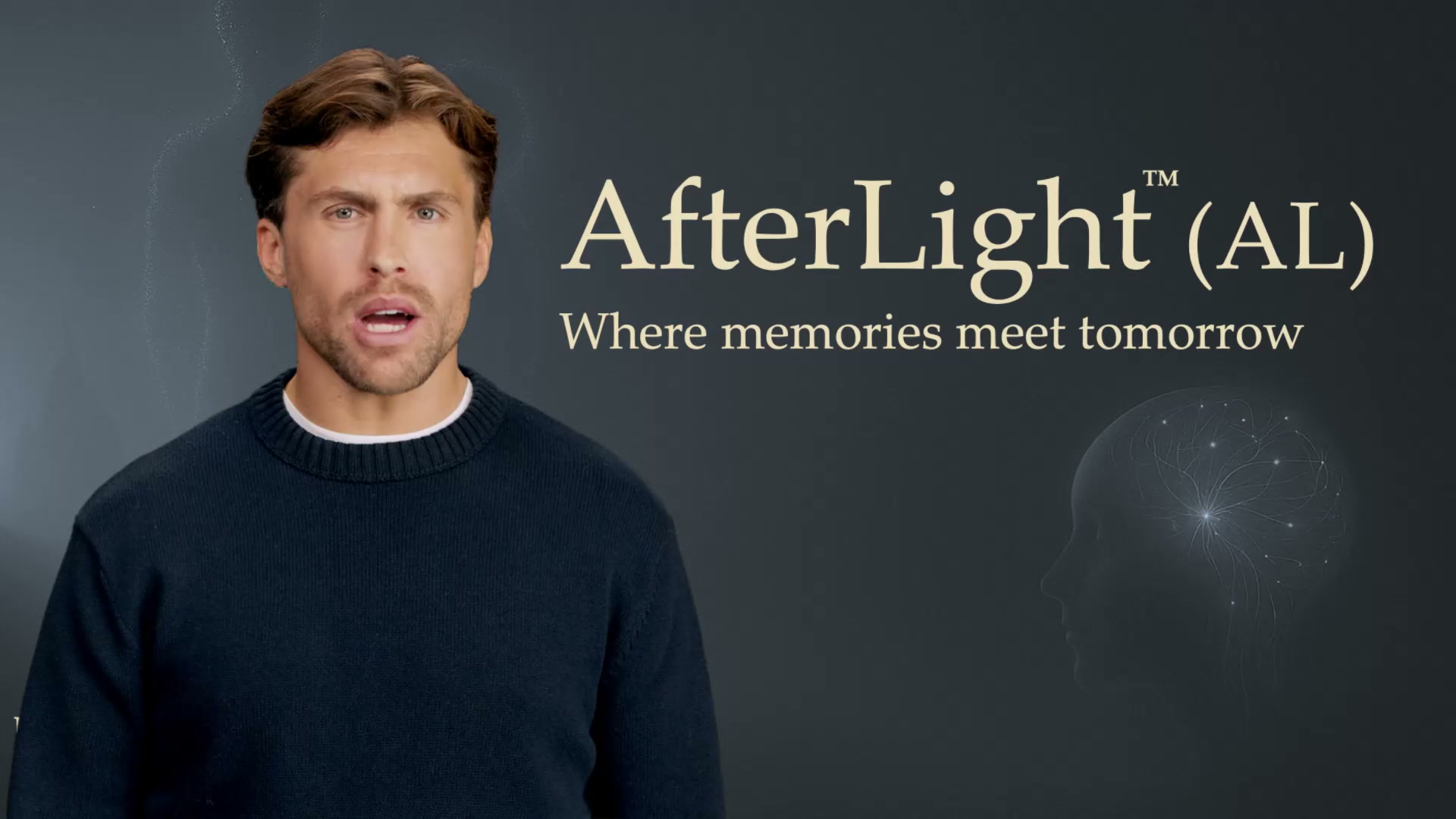
We power two products: AfterLight, a reflective space for organizing and revisiting memories of a loved one, and ALIVE, an AI-powered avatar guide that brings physical venues to life through natural voice conversation.
Who we are, what we believe, and why we build the way we do.
All AI-generated content is clearly disclosed. Users always know they are interacting with an AI system, not a person.
Users decide what memories to share and how to interact. They can stop, delete, or modify their experience at any time.
We do not collect more than necessary or share data with third parties. Personal memories are treated with care.
Every design decision is grounded in ethical reasoning, not market pressure. We move deliberately, not fast.
Founder & CEO
Leads research and engineering — from neural rendering pipelines to real-time voice AI. Drives the technical vision behind both AfterLight and ALIVE.
LinkedInCo-Founder & COO/CFO
Responsible for partnerships, funding, and operations across the EU. Brings extensive experience in business, banking, and finance to Umbrella Research.
LinkedInWe build slowly, because what we’re building matters slowly.
Umbrella Research
Our products work with personal memory and public interaction — both demand a level of care that goes beyond standard privacy practices.
We designed our ethical framework before writing a single line of code. The principles below are not aspirational. They are architectural constraints that shape what our systems can and cannot do.
Avatars reflect memories shared by the user. They do not claim to be, replace, or simulate a real person.
All AI-generated content is clearly disclosed. Users always know they are interacting with an AI system, not a person.
AfterLight is not therapy, counseling, or a medical tool. It does not diagnose, treat, or advise on mental health.
Users decide what memories to share and how to interact. They can stop, delete, or modify their experience at any time.
The system is designed to support healthy reflection, not to create emotional dependency or manipulate vulnerable users.
Personal data and memories are treated with care. The system does not collect more than necessary or share data with third parties.
The right question is not “what can we build?” but “what should we build — and what should we refuse to?”
Umbrella Research